코스모진텍

PRODUCTS

코스모진텍에서 제공하는 다양한 제품을 만나보세요.

BRAND

  • GeneCopoeia 소개
  • FAQ

www.genecopoeia.com
  • GeneCopoeia, Inc. is a US-based manufacturer and provider of genomics and proteomics products and services for academic and governmental research institutes, pharmaceutical and biotechnology industry. The company is headquartered in the I-270 Hi-Tech corridor in the state of Maryland.
    • Clone collection
    • ORF cDNA
    • shRNA
    • Promoter reporter
    • miRNA 3’UTR target
    • miRNA precursor
    • miRNA inhibitor
    • AAVS1 knock-in ORF
    • Clone set
    • Lentiviral system
    • Lentiviral particles
    • Lentiviral clones
    • Lentiviral packaging kits
    • qPCR solution
    • Gene qPCR arrays
    • Gene qPCR primers
    • Gene qPCR reagents
    • miRNA qPCR arrays
    • miRNA qPCR primers
    • miRNA qPCR reagents
    • Genome editing
    • CRISPR-Cas9
    • TALEN & TALE-TF
    • Safe harbor gene knock-in kits and clones
    • Donor services
    • Transgenic mouse services
    • miRNA solution
    • 3’ UTR target clones
    • miRNA precursor clones
    • miRNA inhibitor clones
    • miRNA lentivirus
    • miRNA qPCR arrays
    • miRNA qPCR reagents
    • miRNA qPCR primers
    • Reagents and kits
    • Luciferase assays
    • Fast-Fusion™ cloning kit
    • Transfection reagents
    • Competent cells
    • Mycoplasma detection kit
    • RNA isolation reagent
    • Antibodies
    • Transcription assays
    • Methylated DNA enrichment kit
    • AviTag related products
    • SUMO protease
    • Custom services
    • Stable cell line services
    • Transgenic mouse services
    • Recombinant protein services
    • Histology services
    • Histology, special stain,immunostain,
      TUNEL and BrdUstain services
    • Mouse genotyping services
    • FFPE tissue analysis services
    • Fluorescent Lableling and Detection
    • Nucleic Acid Gel Stains Reagents
    • Protein Detection Reagents
    • Cell Staining Reagents
    • Labeled Secondary Antibodies

ORF cDNA clones

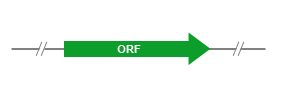
  • A full-length ORF (Open Reading Frame) clone is a plasmid that contains a protein coding DNA insert that encodes a full-length protein. The DNA insert contains only the protein coding sequence (from start codon to stop codon) of a full-length gene (or cDNA) without 5' and 3' end untranslated regions (UTRs), or introns.
  • Due to variations between naturally-occurring protein-coding sequences and the NCBI reference sequence, GeneCopoeia does not guarantee a 100% match of OmicsLinkTM ORF clone sequences with NCBI RefSeq. GeneCopoeia guarantees that of OmicsLinkTM ORF Expression clone sequences are free of artificial frame-shifting variations, including deletions(s) and additions(s) of base(s), as well as translation termination mutation(s) (non-stop codon to stop codon as the result of point mutation. This policy does not cover point variations due to possible naturally occurring polymorphisms and/or mutations that may be introduced by PCR in very rare cases. If you want a specific version of a gene from different cDNA libraries, GeneCopoeia will make its best effort to obtain that particular version but without guarantee of success.
  • The expression system should be specified first. We recommend the lentiviral system if the mammalian target cell is hard to transfect. Next, tags should be chosen. GeneCopoeia provides fluorescent tags, solubility and purification tags, antibody immunoprecipitation tags and multifunctional tags.
  • Tags should be placed far from the active center and functional domains of the target protein. If the target protein has a signal peptide, then the tag must be placed at the C terminus.
  • ORFEXPRESS™ Gateway® PLUS shuttle clones cannot express proteins in GeneCopoeia’spDONR™ Vector. However protein-coding ORFs in these clones can be transferred into any compatible Gateway® destination expression vector simply and rapidly. These new vectors can then be used to express the desired protein in the targeted cell type.
  • This information can be found in the clone datasheet you received.
  • Once the clone is constructed, GeneCopoeia follows a rigorous quality control process to ensure the right clone is delivered to you. We first amplify the sequences by PCR and validate the size. Next, all ORFs are fully sequenced. Restriction enzyme digestion is used to check the integrity of the entire plasmid.
  • No.
  • There is a suite of pDEST expression vectors (destination vectors) available from Invitrogen Corporation that can produce various forms of proteins (such as native, N-terminal fusion or C-terminal fusion) in different host cell systems including bacterial, yeast, insect and mammalian cell systems.
  • Currently, we only offer pre-made Human and Mouse ORF clones. We are in the process of producing full length ORF clones from other model animals such as rat. These full length ORF clones will be released to market in the near future. If you have full length ORF of any genes of interest from these model animals, please send us the information of these genes such as GenBank Accession or Nucleotide sequences. We will place them on the list of high priority Full length ORFs of genes for cloning into the vectors we offer. They will be charged with the same price as our other catalog ORF clones. We also offer custom cloning services for cloning genes from these two model animals into any vector(s) of your choice.
  • A correct DNA sequence with a promoter does not guarantee you to get protein expressed. Many factors contribute to the success or failure of protein expression.
    • 1) Did you use the right type of expression vector for your expression host system, for instance our pReceiver-M01 vector is for mammalian cell expression and pReceiver-B01 is for bacterial expression?
    • 2) If the protein is a membranous protein, does it need target sequence for proper localization?
    • 3) Will the over-expressed protein be toxic to the host?
    • 4) Will the protein be folded into a right three-dimensional structure for its proper function and/or immunological-assays?
    • 5) Have you checked the sequencing to see if you get an alternative splicing variant?
  • All expression clones in pReceiever-B01 and pReceiver-WG02/WG03/WG04/WG05/WG09/WG16 have been tested for expression in E.coli or cell free protein production system made by Roche. Other expression clones with different features and for different host cell systems have not been tested for protein expression.
  • We will make the best effort to clone the original splicing form and provide you with the replacement clone. However, we cannot guarantee that we will get the clone of a specific splicing variant.
  • Even though we cannot provide replacement clones for this type of cases, we do offer mutagenesis services to change any nucleotide compositions as requested for a nominal fee.
  • Our system incorporated a new high fidelity PCR composition that improves fidelity in generating full length ORFs by 10 fold. It is accomplished by reducing the non-specific binding of primers with template DNA at lower reaction temperature and by reducing the cycles needed for amplifications. We guarantee that there are no frame-shifting changes and no pre-mature stop codon in our full length ORF inserts compared with reference sequences. We will replace the defect clones or refund the charges if that occurs.
  • The differences can originate from two potential sources or combination of the two: 1) naturally occurring events including polymorphisms, alternative splicings, inconsistencies in multiple copies/versions of the same genes resulting from annotation updates, sequencing errors and/or ambiguities; 2) artificially introduced changes by PCR cloning process. Very often, potential users of our clones compare our sequencing data with the sequence of only one reference transcript, and attribute any discrepancies to PCR introduced mutations. Through analysis of multiple clones of close to 20,000 human genes, we found that vast majority of discrepancies can be clearly attributed to category 1), when comparing our sequence data with all transcripts and sequences in corresponding gene locus including genomic sequence, ESTs, other cDNA/mRNA transcripts. On average, we found that there are fewer discrepancies between the sequences of our ORF clones and corresponding genomic sequence than the sequences of public domain gene transcripts and corresponding genomic sequences. We certainly cannot entirely eliminate the possibility of mutations introduced by our PCR cloning process, but we believe they are rare occurrences. We offer services at a small fee for changing base nucleotide compositions using a proprietary non-PCR based mutagenesis kit.
  • We use PCR together with several patented technologies to maximize the fidelity of PCR to generate full length ORF (more information in ORF White Paper). We used more than 70 cDNA libraries of human or mice tissues as templates to generate full length ORFs.
  • For ORFEXPRESS™ shuttle clones, the forward sequencing primer (from upstream of 5' end of ORF) is: 5'-CCCAGTCACGACGTTGTAAAACG, and the reverse sequencing primer (from downstream of 3' end of ORF) is: 5'-ATGGTCATAGCTGTTTCCTG. For OmicsLink™ clones, sequencing primers are indicated in the datasheets for each individual clone. To download the data sheet, please visit the Technical Resources section on our website. Please note that you will need the following information in order to download your data sheets: Login information for your account on our website, the catalog number(s) of your clone(s), and your sales order number (SO#). If you are unable to download the data sheets from our website, please contact Technical support.
  • During the producton of ORFEXPRESS™ shuttle clone, each full length ORF clone deliver to you was fully sequenced. Before the delivery of each clone, we re-check the clone by PCR with gene specific primers to ensure that the right clone is shipped.
  • Yes, we will clone the gene(s) for you. It is our mission and continuing effort to clone all full-length ORFs of human genes. It is likely that the gene(s) that you are interested in is already in our production pipeline or in the queue for future cloning. If you provide us with the GenBank accession, gene name, nucleotide or amino acid sequences, we will place the gene(s) in the list of priority genes to be cloned. Usually, it takes two weeks to complete the cloning, although we cannot guarantee that we will get the gene(s). You will be notified as soon as the clone(s) becomes available. There will be no additional charge.
  • There are usually multiple gene transcripts in a gene locus, resulting from alternative splicing, updated information about ORFs, polymorphism, or redundancies from duplication of cloning effort from different laboratory groups. During the process of selecting full-length genes for ORF cloning, we try to choose the most representative transcript from each gene locus, which may differ slightly or significantly from other transcripts in the same gene locus. This approach provides the broadest coverage of all gene loci. In many instances, we do obtain multiple variants or versions of full length ORFs from our cloning production pipeline. Customers are encouraged to send inquires to "inquiry@genecopoeia.com" if he/she is interested in obtaining a particular variant/version of a gene/ORF.
    In some cases, discrepancies could be originated from changed annotation of ORF start and/or stop location as the result of newly available sequence information and/or experimental evidence. On regular basis, we check for information updates on ORF annotations in public databases such as NCBI and EMBL. The new ORF annotations will then be used in our recloning effort to keep our ORF clones most updated.
  • No, the sequence on the website is not the actual sequence but the reference sequence from NCBI. The actual sequence of the clone may differ due to genetic variation and alternative splicing. The actual sequence for any of the ORF cDNA clones can be requested at any time which can be sent by e-mail. However, please note that the actual sequence for clones in pre-production or ones offered via Custom Gene Synthesis may not yet be available.
  • The sequences are different depending on which full length ORF clone for both ORFEXPRESS™ Gateway® Shuttle Clones and OmicsLink™ Expression Clones you purchased. First check the datasheet which is shipped with the clone and use the figure to identify the sequence. fig1. Example: Multiple cloning site of Catalog No. GC-B0128
  • Ampicillin or Neomycin. Please check carefully when you order OmicsLink™ Expression Clones (http://www.genecopoeia.com/tech/omicslink/).
  • Kanamycin.
  • GCI's OmicsLink™ Expression Clones are generated by its patented RecJoin™ cloning technology. By using this technology to construct a 5' tag-ORF fusion expression clone, there is no attB site between 5' tag and the start codon ATG of the full-length ORF. The extra 8 amino acids encoded by attB site in Invitrogen's pDEST expression clones will not be present in the proteins produced by using OmicsLink™ Expression clones. Same principle applies to 3' fusion protein production.
  • There are fourteen amino acids between the fusion peptide (or N-terminal Tag) and the ORF encoded protein. These fourteen amino acids are, from N-terminus to C-terminus, ThrSerLeu Tyr Lys LysAlaGlyLeuGlyGly Val ArgThr. Eight amino acids (ThrSerLeu Tyr Lys LysAlaGly) are encoded by the attB recombination site and six (LeuGlyGly Val ArgThr) are encoded by the sequences between attB and the start codon, ATG.
  • Each ORFEXPRESS™ Shuttle Clone has two multiple cloning sites (MCS) flanking the ORF. By choosing suitable restriction enzymes, you can cut out the entire ORF from ORFEXPRESS™ Shuttle clones and insert the ORF into your vectors by classical sub-cloning methods.
  • You can make a point mutation to remove the stop codon. There are more than 35,000 full length ORFs have been constructed with a tag at their 3' ends, such as eGFP and HA, there are more than 10 types you can choose (http://www.genecopoeia.com/tech/omicslink/). You can request us to remove the stop codon and clone it into the vector(s) of your interest at a small fee
  • Yes, and there are two choices. First, you can use the OmicsLink™ Expression Clones that we have developed. We have already constructed ORF clones in expression vectors with N-terminal tags or C-terminal tags, such as His tag and eGFP, there are more than 10 types of targs to meet your need. Please check OmicsLink™ product information page (http://www.genecopoeia.com/tech/omicslik/). Second, you may also use Invitrogen's Gateway® expression vectors for expressing N-terminal or C-terminal fusion proteins. Because our ORFEXPRESS™ Gateway® Shuttle Clones contains stop codons, you will need to remove the stop codons before transferring ORF inserts into Invitrogen's pDEST expression vectors to produce C-terminal tagged fusion proteins.
  • The selection procedure is very stringent. It includes extraction, comparison and validation of gene sequences and their annotation information from multiple public and private sources. Clustering and manual curation are applied to reduce redundancy and eliminate erroneous genes.
  • There is a suite of pDEST expression vectors (destination vectors) available from Invitrogen Corporation that can produce various forms of proteins (such as native, N-terminal fusion or C-terminal fusion) in different host cell systems including bacterial, yeast, insect and mammalian cell systems.
  • The vector for ORFEXPRESS™ Gateway® Shuttle Clones manufactured by GeneCopoeia, Inc. (GCI) harbors full length ORFs flanked by attL1 and attL2 recombination sites that pair with the Gateway® pDEST expression vectors containing attR1 and attR2 recombination sites. When GCI's ORFEXPRESS™ Shuttle Clones are mixed with Gateway® compatible pDEST expression vector(s), with optimal concentrations of enzymes and conditions, the ORFs in the ORFEXPRESS™ Shuttle clones can be transferred into Gateway® pDEST expression vector(s). Because of the unique feature of recombination sites in the vectors, the transferred ORFs will be under the control of the promoter(s) in the destination expression vector(s).
  • The full-length ORF clones contain only the protein coding sequences, while other full-length whole transcript cDNA clones contain non-coding sequences, such as 5' and/or 3' UTRs, which have been known to have possible negative impact on the protein translation process. Please visit this page for further details on the comparison of these two types of clones : (http://www.genecopoeia.com/tech/application/).
  • We recommend that you refer to the product by its catalog number (eg: EX-V0379-M29) and refer to us as GeneCopoeia, Inc. (Rockville,MD).

shRNA clone sets

  • GeneCopoeia provides a set containing 4 individual shRNA constructs and a scrambled control of 5 μg purified plasmid. A datasheet containing information for each clone, vector and restriction enzyme sites will delivered by e-mail.
  • Yes, Stbl3 is recommended.
  • You should measure the knockdown efficiency when the transfection efficiency is greater than 80%. The reporter gene in the vector is used to monitor transfection efficiency. RNA can be harvested from transfected cells and used in quantitative RT-PCR to estimate the reduction in gene expression. Western blot is recommended over qPCR to evaluate the silencing effect of the shRNA construct(s). Gene expression levels from cells transfected with a scrambled control clone must be compared with the shRNA transfected samples.
  • Factors influencing transfection efficiency include the quality of the plasmid DNA, the condition of the cells, use level of transfection reagents and plasmids, cell density at the time of transfection, contact time between cells and the DNA/transfection reagent complex, etc.
  • The scrambled control clone is constructed by cloning a scrambled sequence (one that does not match any genomic sequences) into shRNA vectors. It serves as a negative control to eliminate the potential non-specific effect induced by expression of the plasmid.
  • We strongly recommend performing a kill curve on each batch of cells to determine the optimal puromycin concentration.
  • GeneCopoeia guarantees that the shRNA sequences in the expression cassettes are identical to the target gene. If none of the four constructs produce a 70% or greater knockdown efficiency as determined by qRT-PCR, and the inefficiency is caused by a flaw in our construct design, then we will provide another set of four new clones targeting the specific gene free of charge.

Genome editing products

  • General
  • TALE
  • CRISPR
  • Safe Harbor
  • sgRNA libraries
  • Yes. For this you will need a donor that is homologous to your locus on either side of the base you want to mutate. The donor can be either a plasmid or a single-strand oligonucleotide. The donor is co-transfected with the genome editing tool (TALEN or CRISPR). Formation of a double strand break (DSB) leads to repair of the break by homologous recombination (HR) using the donor as a template.
    GeneCopoeia recommends our Donor plasmid design and construction service. We will create a donor plasmid that contains a defined modification, flanked by a selectable marker such as puromycin resistance and/or copGFP, and homologous arms from your target region. The markers are flanked by loxP sites, to permit Cre-mediated removal, if desired. Use of a GeneCopoeia-designed donor plasmid allows you to select for edited clones and reduces the number of clones required for screening.
  • There are three strong reasons to use HR for genome editing: 1) It is precise and controllable. Any desired change can be implemented; 2) You will be able to use selection of a knocked-in marker (such as drug resistance or fluorescence), which will greatly facilitate your ability to identify candidate clones that have the modification you want.
    GeneCopoeia recommends our Donor plasmid design and construction service. We will create a donor plasmid that contains a defined modification, flanked by a selectable marker such as puromucin resistance and/or copGFP, and homologous arms from your target region. The markers are flanked by loxP sites, to permit Cre-mediated removal, if desired. Use of a GeneCopoeia-designed donor plasmid allows you to select for edited clones and reduces the number of clones required for screening.
  • Our genome editing services can be used for virtually all species. Our standard plasmids for both TAL effector systems and CRISPR are designed for work in mammalian cells. In addition, these plasmids can be used as templates for T7 promoter-driven in vitro transcription, for introduction into mice, zebrafish, Drosophila, and many other model organisms. GeneCopoeia also offers in vitro transcription services, where we can provide you with RNA encoded by the genome editing tools. Further, we can generate custom constructs that can be used in a wide variety of organisms.
  • Yes. The donor must be present when the DSB is formed in order to be used as a repair template. Otherwise, the cell must use non-homologous end joining (NHEJ) in order to repair the DSB, because unrepaired DSBs are lethal.
  • Our TAL effector and CRISPR plasmids typically do not integrate into the host genome in transfection experiments. However, after clonal selection for edited cells, we recommend screening clones for those which have lost the nuclease plasmids. This can be done by testing clones to see if they have become sensitive to the antibiotic of the resistance gene on the plasmid, or if they no longer express the plasmid's fluorescent marker (where applicable). Our lentiviral clones are expected to integrate randomly into chromosomes.
  • The presence of the CMV or EF1a promoters permits expression from the plasmid DNA. We recommend that you use the most efficient method for your cell type of interest. The following are all acceptable approaches for delivering our genome editing tools into cells :
    • 1) Standard transfection
    • 2) Electroporation
    • 3) Lentiviral transduction
    • 4) Micro-injection of either DNA or mRNA. The plasmids contain the T7 promoter, which enables researchers to produce mRNA by in vitro transcription
  • If you are using TALEN or CRISPR to create mutations in your gene of interest without the use of a homologous donor, then you will need to undertake much time-consuming, labor-intensive downstream work in order to identify edited clones. After transfection, you will need to isolate many colonies grown up from single cells. Next, the screening procedure depends on the nature of the modification, as described below :
    • 1) If you are making an insertion or deletion, the easiest way to screen your cells is by PCR using primers flanking the modified site, provided that the insertion or deletion is large enough to detect by standard agarose gel electrophoresis.
    • 2) For very small insertions or deletions, you can screen your clones using the T7 endonuclease I (“Surveyor”) assay, which is a method that detects mutations by cleaving double stranded DNA containing a mismatch. GeneCopoeia provides T7 Endonuclease I cleavage assay kits with custom primers designed for your specific target. You can also screen using real-time PCR.
    • 3) If you are introducing a point mutation, then you can use either the Surveyor assay or real-time PCR to detect the modification.
    • 4) If the modification you are introducing creates or destroys a restriction enzyme site, then enzyme cleavage of PCR products can be used to distinguish between modified and unmodified alleles.
    • 5) Finally, either Sanger sequencing of PCR products or Next Generation sequencing of whole genomes can be used to screen for modifications. Regardless of which screening method you choose, it is also important that you are able to determine whether only a portion or all of the alleles have been modified.
    In order to reduce the amount of time and effort required to identify edited clones, GeneCopoeia recommends our Donor plasmid design and construction service. We will create a donor plasmid that contains a defined modification, flanked by a selectable marker such as puromucin resistance and/or copGFP, and homologous arms from your target region. The markers are flanked by loxP sites, to permit Cre-mediated removal, if desired. Use of a GeneCopoeia-designed donor plasmid allows you to select for edited clones and reduces the number of clones required for screening.
  • For safe harbor integration, we recommend PCR using primers designed to amplify the recombination loci, or Southern blotting, which can rule out random integration. All GeneCopoeia Safe Harbor Gene knock-in Kits contains PCR primer pairs intended for this exact purpose. For other editing experiments using HR, PCR can be also be used to identify edited sites. The PCR method will show a shift in the size of the PCR products between the wild type and modified loci. The presence of a single band matching the size of the modified locus indicates that all copies have been modified. If two bands are present, this indicates that at least one allele remains unmodified. Southern blotting can also be used to rule out random integration.
  • The vector backbones of our TAL effectors or CRISPR are designed to not replicate or integrate into the host genome. These plasmids, which are transiently transfected, will typically be lost after several rounds of cell division and will not further affect the host cell. After transfection, cells are plated at low density to promote the formation of single colonies. These colonies should be screened to ensure that they have lost the plasmid(s). This can be done by testing clones to see if they have become sensitive to the antibiotic of the resistance gene on the plasmid, or if they no longer express the plasmid's fluorescent marker (where applicable). To be completely assured that the transfection is transient, we recommend delivering mRNA instead of plasmid DNA.
  • Yes. Both TALEN and CRISPR have been shown to be able to disrupt multiple copies at once. The efficiency varies depending on different factors, such as cell type, transfection efficiency and TALEN/CRISPR activity.
  • Both TALE and CRISPR recognize a specifically designed target sequence to initiate genome editing. The biggest difference is in how they do it. CRISPR uses a single guide RNA (sgRNA) homologous to a 20 nucleotide target sequence. This target sequence must be immediately followed by a 3 nucleotide N-G-G sequence known as the Protospacer Adjacent Motif (PAM). The single guide RNA guides the Cas9 nuclease to the desired site. When using the CRISPR system, we need to design the sequence of sgRNAs.
    TALEs are proteins that recognize target sequences using variable amino acids in a series of 34 amino acid repeats. These variant amino acids are known as Repeat Variable Diresidues (RVDs). Each repeat contains one RVD, and each of the four RVDs recognizes a specific nucleotide.
    TALEs are fused to their genome editing motifs, which can include nucleases or transcriptional modulators. When using TALE technology systems, we need to assemble RVDs in the correct order to match the target sequence.
  • There is never an easy answer to this question. It all depends on what you are trying to accomplish. Each system has its advantages and disadvantages. CRISPR tends to edit genes at higher efficiency than TALEN. Also, CRISPR is not sensitive to DNA methylation, and is much more amenable to multiplexing, giving it further advantages over TALEN. On the other hand, CRISPR, including the Cas9 nickase, is more prone to modifying off-target sites, which, depending on your particular application may or may not be an issue.
  • If you are doing simple gene knockouts in humans or mice, you can order TALENs or CRISPR sgRNAs on our website. All you need to do is go to the TALEN/CRISPR search page, search for your gene, and then choose the appropriate clones that will work for your system. These TALENs and CRISPR sgRNAs are designed by default to knock out all possible known and predicted transcript variants of your gene, and are targeted early in the coding regions. You can also order donor clones for these knockouts from the search results page. If you are doing a different application, such as introducing a point mutation, then you will need to contact us and, after determining what you need, we will send you a custom quote.
  • Yes. We have the reagents for the Cas9 D10A nickase, and have successfully tested our double nickase designs. However, in order to create mutagenic DSBs, the nickase requires the correct targeting of two appropriately-spaced sgRNAs on opposite strands, flanking the break site. Because proper sgRNA targeting requires the presence of the N-G-G “PAM” site immediately following the recognition site, it might not always be possible to use the nickase for DSB formation.
  • Yes. To create a DSB, the nickase requires the correct targeting of two appropriately-spaced sgRNAs on opposite strands, flanking the break site. This is sufficient to stimulate HR between the target site and the donor clone. While this method has the advantage of potentially fewer off-target NHEJ-mediated mutations, since single strand nicks are repaired with higher fidelity than DSBs, it is not without limitations. Proper sgRNA targeting requires the presence of the N-G-G “PAM” site immediately following the recognition site. Therefore, it might not always be possible to use the nickase for DSB formation.
  • We only sell plasmids containing our custom-designed CRISPR sgRNAs. If you need a negative control, we also sell a CRISPR plasmid containing a scrambled sgRNA.
  • Yes.
  • Yes. There is a double mutant of the Cas9 nuclease that completely abolishes nuclease activity. This mutant can be fused to a transcriptional modulator such as VP64 and targeted to specific genes. You can also use the catalytically dead Cas9 with properly-designed sgRNAs to repress, or interfere with, gene expression.
  • Yes. We have both non-viral and lentiviral formats. We also have custom lentiviral particle production services, in which we can provide you with lentiviral particles expressing both Cas9 and sgRNAs.
  • Unfortunately, no. Lentiviruses enter cells as RNA, but HR donors must enter the cells as DNA at the same time as Cas9 and the sgRNAs.
  • Yes. GeneCopoeia has kits for both TALEN- and CRISPR-mediated Safe Harbor integration for both human (AAVS1) and mouse (Rosa26). These kits are also fully compatible with our Safe Harbor knockin ORF clones.

Lentivirus

  • Lentiviruses comprise a subtype of retroviruses. Lentiviruses can stably integrate into the host genome in dividing, non-dividing and post-mitotic mammalian cells, while retroviruses are less active in this scenario. Adenoviruses can also transduce non-dividing cells, but can’t stably integrate into the host cell’s genome. Adenoviruses also take much more time to design and prepare. In addition, lentiviruses are much less immunogenic than the retroviruses and adenoviruses, making lentivirus more suitable for use in most types of cells and animal models.
  • One of the key factors of a successful transduction is the cell type. For example, transduction efficiency is much higher in actively dividing cells than in non-dividing cells. In addition, transduction of cells works better at lower MOI (multiplicity of infection) than at higher MOI. MOI is the ratio of the number of lentivirus particles to the number of cells. For some cell types, the higher the MOI , the larger the volume and higher the titer of lentivirus is required in order for the experiment to succeed. You can adjust the cell number and add the appropriate amount of lentivirus according to what has been reported in the scientific literature. If there is no adequate information in the scientific literature, we recommend performing a preliminary experiment using gradient dilutions of lentivirus, such as 0.1 μl, 0.3 μl, 0.5 μl, 0.7 μl, 0.9 μl for GeneCopoeia™ purified particles. Another important consideration for getting good transduction efficiency is the cell status. Transduction efficiency varies greatly between healthy cells and unhealthy cells. Therefore, it is essential to keep the cells as healthy as possible. For some cells with high MOI, you could also include additives such as polybrene to enhance the transduction efficiency. However, the overall health of the cells itself is always the most essential element.
  • Beforelentivirus production starts, you need to first prepare the plasmid DNA using a well-established purification method. Make sure the plasmid you prepare is of the highest possible quality. You can measure its purity by the absorption ratio of 260 nm to 280 nm. You should also check the integrity of the plasmid by agarose gel electrophoresis. In rare cases, toxic genes and large fragment inserts lead to low titers. Next, ensure your lentiviral packaging cell line is well maintained and passaged regularly, and make sure the culture is free from contamination of bacteria, fungi, and/or mycoplasma. Further, use an optimized lentivirus packaging system and reagent. We recommend the GeneCopoeia™ HIV-Based Lentiviral Packaging system, which is optimized for production of high viral titer, together with the GeneCopoeia™ Lenti-Pac HIV Expression Packaging Kit. We also recommend using GeneCopoeia™ 293Ta lentiviral packaging cells (Cat No. CLv-PK-01). These cells are guaranteed to provide higher transfection efficiency and lower cell toxicity.
  • There are two main GOI-related factors that can affect the lentiviral titer. These are :
    • 1) Toxicity. Some genes expressed from lentiviruses are toxic to cells and so will sharply reduce the titer.
    • 2) Insert length. Larger inserts also tend to reduce viral titer.
    The issue of insert length must be considered along with the backbone vector size, because the viral titer is influenced by the total length of the plasmid. Our recommendations for insert size for lentivirus packaging are shown below. Note that these are only general guidelines :
    • 1) For Lv200 series vectors (such as Lv201 and Lv206), the insert should be less than 4 Kb.
    • 2) For most Lv100 series vectors, except for those with eGFP fusions, the insert should be less than 5 kb.
    • 3) For other stripped-down vectors (without reporter or selection gene), the insert plus HIV related parts in the packing vector should be less than 10 Kb.
  • In general, a lentivirus packaging system contains a gene transfer vector plasmid and a packaging plasmid. The second and third generation lentivirus packaging systems are both designed to separate the essential genes of the transfer vector, envelope and packaging components onto different plasmids, thereby reducing the risk of recombination. When some lentiviral structural proteins must be expressed along with the gene of interest in the second generation, the vector of the third generation is revamped to make it self-inactivating and tat-independent. The GeneCopoeia™ HIV-Based Lentiviral Expression System is a modified version of the third generation self-inactivating (SIN) lentiviral vector system, which incorporates enhanced biosafety features and is optimized for production of high viral titers.
  • The titer of the GeneCopoeia™ lentivirus products in each lot are determined by qRT-PCR, which shows the physical number of viral genomic RNA molecules. The numerical relationship between titer (physical copy number) and transduction unit (TU or IFU) can be basically summarized using the following formula: TU= Titer (physical copy number)/100. The titer may vary among different cell types. In general, we recommended conducting a preliminary experiment before your formal study to ensure the viability of the lentivirus stock and to test the amount needed to transduce the cell type of interest. For more informationregardingf titer estimation by transduction, you may download a copy of the user manual at : Packaging_kit_manual.pdf
  • It is safe to use GeneCopoeia lentivirus. The GeneCopoeia HIV-Based Lentiviral Expression System meets Biosafety Level 2 (BSL-2) requirements based on the criteria published by the Centers for Disease Control and Prevention. This system is a modified version of the third generation of the self-inactivating (SIN) lentiviral vector system, which incorporates enhanced biosafety features. The lentiviral transfer vector is responsible for transduction and stable integration into the genome of the host cell, but lacks the elements essential for transcription and packaging lentiviral particles by itself. Thus, it is self-inactivated, meaning that no unwanted viral replication and production will happen after the first transfection. Nevertheless, the guidelines for working with BSL-2 safety category materials must be adhered to. For more information regarding BSL-2, please visit the CDC website.
  • GeneCopoeia™ offers a vast number of clones in both HIV-based and FIV-based lentiviral systems, including more than 40,000 human and mouse ORF expression clones, small hairpin RNAi (shRNA) against genome-wide target genes from human, mouse, rat and other animals, miRNA inhibitor clones for all known human, mouse and rat miRNAs, promoter reporter clones for more than 20,000 human and 18,000 mouse promoters, and CRISPR sgRNA clones for human and mouse. This system provides high expression levels and high efficiency of gene delivery to virtually all mammalian cell types. The lentiviral expression construct was validated by full-length sequencing, restriction enzyme digestion, and PCR-size validation using gene-specific and vector-specific primers. Together with the GeneCopoeia™ EndoFectinLenti Reagent (Cat No.EFL1001-01), TiterBoost reagent, 293Ta lentiviral packaging cells (Cat No. CLv-PK-01) and mycoplasma detection kit, GeneCopoeia™ lentiviral products provide high viral titer and are confirmed free of bacteria, fungi and common mycoplasma contamination.
  • Lentivirus has some level of toxicity to cells. It may cause damage to your cell of interest with either superfluous amounts of lentivirus, or if the infection were allowed to go on for too long a period of time. In these cases, you can adjust the multiplicity of infection (MOI) to a lower range. We recommend replacing the old culture medium with fresh complete medium 4-8 hours post transduction (no later than 12 hours post transduction).
  • Lentiviruses can stably integrate into the host cell’s genome and obtain a consistent level of expression. With a selectable marker in the lentiviral gene transfer vector plasmid, it is easy to generate a stable cell line using drug selection. You can use qRT-PCR, western blot or other detection methods to estimate the expression level of your gene.

Cell-based validation services

  • There are two kinds of related services we currently offer in various cell lines. One is cell-based validation, in which we offer validation of ORF and cDNA expression levels, shRNA knockdown efficiency, interaction between miRNAs and their miRNA targets, and promoter activity. The second type consists of the generation of mammalian stable cell lines for protein expression, gene knockdown, and TALEN- or CRISPR-Cas9-mediated genome modifications. GeneCopoeia offers cell based services for virtually any expression clone collection or gene editing service you are interested in.
  • For cell-based validation and stable cell line services, we will provide a complete validation report containing the original test results and further analysis. For stable cell line services, we also provide a stable pool or single clone of your choice.
    The following methods are provided by default. Customers may also request other methods for validating or screening clones:
    • - ORF expression validation or stable cell line : qRT-PCR, western blot and fluorescence microscopy (only for vectors with a fluorescence reporter gene)
    • - shRNA knockdown validation or stable cell line: qRT-PCR
    • - miRNA target validation: Luciferase reporter assay and fluorescence microscopy (only for vectors with a fluorescence reporter gene)
    • - Promoter activity validation: Luciferase reporter assay or fluorescence microscopy (only for vectors with a fluorescence reporter gene)
  • For shRNA expression clones provided by GeneCopoeia™, we guarantee that at least one in a set of four shRNA constructs generates a knockdown efficiency of at least 70%. Custom designed shRNAs do not carry this guarantee. Be aware that the knockdown efficiency of shRNAs depends on many factors, such as variability among different cell lines. We can identify the shRNA with the best knockdown performance in customer designated cell lines, and provide a detailed validation report. However, other shRNA constructs may work better in other cell lines. Therefore, if another cell line is needed in a future experiment, it is better for customers to also have shRNAs validated in that cell line for pre-screening.
  • We offer cell lines such as HEK293, CHO, HeLa and NIH 3T3. However, if your desired cell line is not in this group, you will need to provide your cell line to us. After we perform quality control analysis, the experiment can be started. Please not that cell lines provided to us must be mycoplasma-free. We will require pre-submission of a mycoplasma testing report.
  • This depends on what kind of vector you choose for your promoter clone. For example, our PG04 vector carries GaussiaLuciferance (Gluc) and Secreted Alkaline Phosphatase (SeAP), our PG02 vector carries Gluc, our PF02 vector carries GFP, and our PM02 vector is marked with mCherry. For the PG04 and PG02 vectors, we use the GeneCopoeia Secrete-PairTM Dual Luminecence Assay Kit and the GeneCopoeia Secrete-PairTMGaussiaLuciferace Assay Kit. We use fluorescence microscopy for the PF02 and PM02 vectors. We recommend using the GeneCopoeiaGluc-OnTM Promoter Reporter Clone and related assay kits. We can validate your target promoter in a specific cell line for you as part of a complete service to support your research needs, sparing you much time and work.
  • Many clone vectors have selectable markers like antibiotic resistance genes. Once the target clone is stably integrated into the host cell’s genome, antibiotics can be added to the growth medium to select for stable cell lines expressing the inserted gene. One can also use FACS to sort cells expressing fluorescent markers such as eGFP. Expression levels can be assayed by methods such as qRT-PCR, western blot and ELISA.
    We strongly recommend using lentiviral vectors for stable cell line establishment. Lentiviral particles can effectively integrate into the host genome in a wide range of cell types, including difficult-to-transfect cells like dividing and post-mitotic cells, resulting in long-term expression of the transgene both in vivo and in vitro.

qPCR arrays and reagents

Protein expression

  • You can choose any desired tag for your target protein, as well as decide whether you want the tag to be placed at the N- or C-terminus. You may also use a GeneCopoeia™ expression construct or provide your own expression clone. Once you have decided, please fill out the custom service quotation form and we will contact you to discuss the project.
    We strongly recommend using a GeneCopoeiaOmicsLink™ Expression-Ready ORF clone, which can come with many different tags from which to choose. Our ORFs can be fused with virtually all of the commonly used, powerful tags designed for any application, such as His, eGFP, eYFP, mCherry, Avi, 3xHA, Flag, HaloTag®, etc. In addition, you can choose either fusion expression or non-fusion expression via an Internal ribosome entry site (IRES). Use of an IRES permits protein co-expression, so that you can monitor precise gene expression. With an IRES element, you can monitor the accurate expression of a native protein without any potentially negative effects caused by fusion tags.
  • We offer both pre-made recombinant protein products and custom protein expression services to fulfill researchers’ various applications. Our expression facility uses host cell systems such as bacteria, mammalian cell lines (typically HEK293T cells), yeast, insect and cell-free expression systems. With fully sequence-verified expression clones from GeneCopoeia, we help researchers save time for further research.
  • GeneCopoeia provides pre-made recombinant proteins in standard amounts of either 25 μg or 100 μg. You may also request custom amounts. Please fill out the customer quotation form or contact our technical support to get more information. In rare cases, such as when a particular protein might be toxic to cells, protein production yields could be lower than expected. We recommend that researchers do a thorough literature search, or first purchase an ORF validation service from GeneCopoeia in order to gauge the target gene’s expression level in cells.
  • The concentration of GeneCopoeia recombinant protein is determined using the BCA assay.
  • Yes. GeneCopoeia recombinant proteins are produced serum-free. In addition, most of GeneCopoeia’s proteins are carrier-free (except for proteinase products). They do not contain BSA, and therefore can be used directly in SDS PAGE gels and western blots.
  • Yes. With our custom protein service, removing a tag can be as easy as choosing one. The removal of some small molecular weight tags, such as His and Flag, is often not necessary. If removing a tag is essential for your experiments, please write down your request in the customer quotation form.
  • GeneCopoeia uses either affinity purification or ion exchange chromatography for protein purification. We will determine the best purification strategy based on your needs and the protein’s properties.
  • GeneCopoeia recombinant proteins have not been functionally tested in vivo. Therefore, GeneCopoeia cannot guarantee that all proteins are fully functional in all assays including those for in vivo applications.
  • GeneCopoeia recombinant proteins generally remain stable for 1-3 years under appropriate storage conditions. We recommend aliquotting the protein solution and storing the tubes at -80℃. Avoid repeated freeze-thaw cycles.

Fluorescent labeling and detection

top
    • 대표이사 : 이영준
    • 사업자등록번호 : 209-81-25456
    • 본사(04784)서울특별시 성동구 성수이로 10길 14 (성수동2가, 에이스 하이엔드 성수타워) 304~311호
    • 대전(34166)대전광역시 유성구 유성대로 794(지번주소:장대동 342-1)6층 뉴토피아빌딩 601호
    • Copyright ⓒ Cosmogenetech co, Ltd. All rights reserved
    • 학술마케팅 (서울) 02-465-6217 02-499-3084 support@cosmogenetech.com
    • 학술마케팅 (대전) 070-4771-7694 042-867-7301
    • Sequencing (서울) 02-465-6265 02-921-3084 sequencing@cosmogenetech.com
    • Sequencing (대전) 042-826-6265 042-867-7301 sequencing@cosmogenetech.com
    • 미생물유전체 042-364-7301 042-867-7301 mgb@cosmogenetech.com
    • Cloning 02-465-6216 02-921-3084 cloning@cosmogenetech.com
    • Gene Synthesis 02-6457-6230 02-921-3084 genesynthesis@cosmogenetech.com
    • LaboPass 02-465-6215 02-921-3084 labopass@cosmogenetech.com
    • 연구개발 02-465-6277 02-6004-6278 rnd@cosmogenetech.com
    • 대전 042-867-7308 042-867-7301
    • ARS

      1번 DNA 시퀀싱 2번 올리고 주문배송 3번 클로닝/실험서비스 4번 LaboPass제품 문의 5번 계산서발행/결제 6번 학술상담 7번 총무/회계/기타 0번 다시듣기